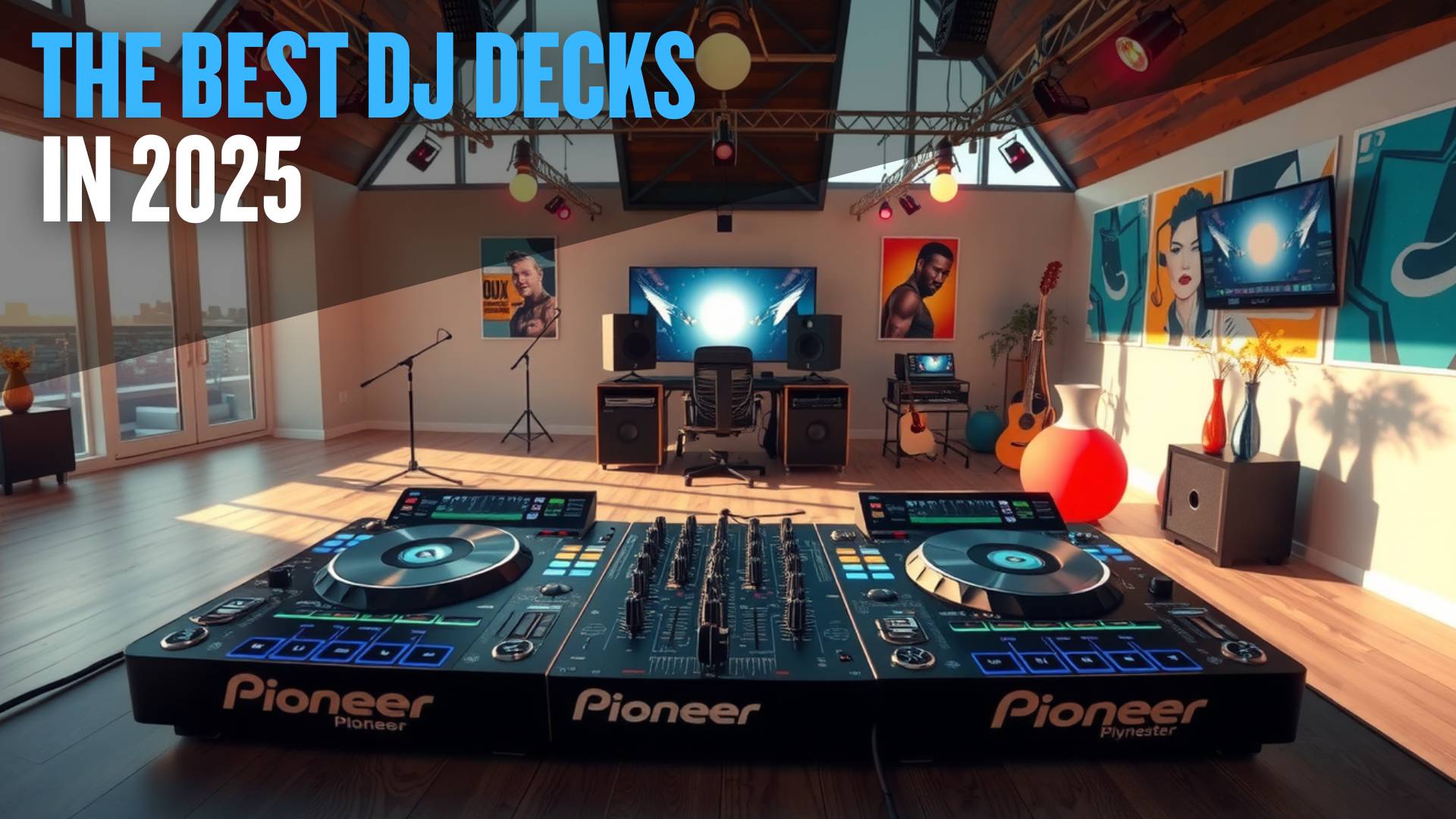
The Best DJ Decks in 2025 + What you need for the Course!
By: Andrew Duffield - November 24, 2025
Choosing DJ gear can feel like a maze. There are so many models, brands, and software platforms that it is easy to get overwhelmed. This guide is written to cut through the noise and help you pick the right setup for where you are right now, with options that will also grow with you. Whether you are brand new, levelling up to a performance controller, going laptop free with a standalone system, or aiming for the club standard, you will find a clear recommendation here.
In this guide we cover
- Best DJ controllers
- Best standalone DJ systems
- Best club gear
- Best simple setup for the Club Ready DJ Course
A quick word on software and ecosystems.
Most modern gear gives you similar core tools. You set your cue points, lock your beatgrids, and mix using tempo, EQ and filter. That is true whether you use Rekordbox, Serato, Engine DJ or others. Your skills translate. Do not get stuck in analysis paralysis. Pick a solid piece of gear that fits your goals and budget, then focus on practice and fundamentals.
BEST DJ CONTROLLERS
Entry level that does not box you in
Pioneer DDJ-FLX2
If you want the most affordable way into the Pioneer world without jumping to the FLX4 price point, the FLX2 is a compact two channel controller that works with Rekordbox and the mobile app options. It gives you the familiar Pioneer layout, responsive jogs, performance pads, and the smart-mixing helpers that reduce early friction while you are learning. Because the layout mirrors bigger Pioneer gear, the muscle memory you build transfers smoothly when you upgrade.
Best beginner all rounder
Pioneer DDJ-FLX4
The FLX4 is still the modern entry standard for a lot of new DJs. The layout echoes the feel of club gear, you get smart fader and smart CFX to help with early transitions, and it supports both Rekordbox and Serato so you can try each and decide what you prefer. For bedroom practice, live streaming, and casual gigs, the FLX4 covers a lot of ground with minimal fuss. If you are doing my course, this is a perfect choice because everything I teach maps cleanly onto it.
Ultra budget option with honest caveats
Pioneer DDJ-200
If you just want to dip your toe in with the cheapest possible controller, the DDJ-200 will let you practice the basics. It can connect to phones, tablets, and laptops, and works with WeDJ, Rekordbox, djay and others. The catch is it has no built-in audio interface, so pre-cueing requires a split cable and the experience can be fiddly on some devices. If you can stretch to the FLX2 or FLX4, do it. If not, the 200 will still teach you phrasing, beatmatching, EQ, and track selection. Those skills are what matter.
New school performance controller
Pioneer DDJ-FLX10
For laptop DJs who want pro performance features and serious creative tools, the FLX10 is a beast. Full size jogs with onboard displays, Rekordbox track separation for stems style performance, Mix Point Link to automate clean handovers while you work the effects, and FX Part Select to target vocals, drums or instruments with precision. If you play bars, events, weddings or clubs with a laptop, the FLX10 earns its keep.
Creative mid range that punches above its weight
Pioneer DDJ-REV5
REV5 blends a club style mixer with larger jogs and dedicated stem controls, dual deck tricks, and smart BPM transition tools that make big genre or tempo jumps feel smooth. If you are into open format sets, mashups, and pad performance, it is a joy to use. It is also a great stepping stone to high end controllers or club booths. (Keep in mind it is designed first with Serato in mind, though it will work with Rekordbox too.)
Alternative in the same spirit
RANE Four
RANE's take on a four channel performance controller is tightly integrated with Serato Stems and offers hardware effects, OLED pad modes, and a battle-inspired layout. If your world is Serato and you want aggressive performance tools, this is a fantastic option.
BEST STANDALONE DJ SYSTEMS
If you want to leave the laptop at home, a standalone all in one system packs two or four decks and a mixer into a single unit. You plug in a USB, SD or even connect to the cloud with WiFi and you are off. The experience is closer to club gear on the Pioneers, and more feature rich and streaming friendly on Denon's Engine DJ units. Pick based on where you plan to play.
Best club experience in a single box
AlphaTheta XDJ-AZ
This is the one you asked for and it is the right call. The XDJ-AZ is a four deck, club layout, standalone flagship with full size CDJ-style jog wheels, a big 10.1 inch screen, onboard WiFi and cloud support, and a mixer section that feels like a DJM-A9. It is the spiritual successor to the XDJ-XZ and finally brings four deck standalone playback and modern connectivity into a package that looks and feels like the booth standard. For venues, studios, and serious home rigs, it is the closest you will get to the club without buying separate players and a mixer.
Compact club style without the price of separates
Pioneer XDJ-RX3
Two channel standalone with a sharp 10.1 inch touchscreen, stacked waveforms, Beat FX workflow that mirrors the mixers, and quick track preview from the screen. If you want the Pioneer feel in a more compact and affordable body, the RX3 is a sweet spot and still a top recommendation for aspiring club DJs.
Most powerful feature set for mobile and events
Denon DJ Prime 4+
Denon pushed standalone technology hard and the Prime 4+ shows it. Four deck standalone playback, big screen, deep streaming support including Amazon Music, dynamic FX, and real time stems on the unit. For mobile and event DJs who want maximum flexibility and library access, it is hard to beat.
Most portable standalone
Denon DJ Prime GO and Prime GO+
Battery powered, backpackable, and still surprisingly capable. Perfect as a travel rig, backup system, outdoor gigs, or a tiny home setup that can go anywhere. The Plus refresh improves the experience under the hood while keeping the same form factor and workflow.
BEST CLUB GEAR
The gold standard
Pioneer CDJ-3000 players with DJM-A9 mixer
This is still what you will find in a huge number of booths around the world. Big bright screens, fast workflow, excellent sound, deep cue and memory functions, and a mixer that gives you refined EQs, FX and dual headphone sections that make back to backs and changeovers easy. If your goal is to be club ready, learn the fundamentals on your controller and then get hands on with this setup whenever you can. Note that an updated CDJ-3000X with expanded wireless and NFC library access has been announced, though many venues will continue to run the 3000 plus A9 for a while.
BEST SIMPLE SETUP FOR THE CLUB READY DJ COURSE
This is the most common question I get. What should I buy for the course and for solid practice at home
Controller
Pioneer DDJ-FLX4. It maps cleanly to everything I teach, is affordable, and it feels like club gear in miniature. If your budget is super tight, the FLX2 will still work well. If you already own a REV5 or FLX10, you are also perfect for the course.
Speakers
If you want a neat, great value pair, go Pioneer DM-50D. If you want a little more tuning flexibility and a more club like punch, the VM-50 range is a step up. Either way you are getting a front room friendly monitor that keeps you honest with your EQ and gain staging.
Headphones
I use Sennheiser HD25s. They are light, clamp well, isolate brilliantly in loud spaces, and they last. If you prefer the Pioneer feel and tuning, the HDJ-X7 is a strong alternative with great durability and loud, clean monitoring.
Why this works for the course
All gear shares the same basic operations. You will learn how to set and use hot cues, phrase properly, beatmatch, manage EQ and filters, structure transitions, and build sets that flow. That is true on a Pioneer controller, a Denon standalone, or a club booth with separate players and a mixer. The habits you develop are what matter. The FLX4 is great because it is simple to set up, easy to carry, and it behaves like a tiny club rig. But do not stress if your setup is different. The course is designed so you can follow along on almost any modern controller or standalone.
Detailed notes and watch outs
About stems and track separation
If you go FLX10 you get Rekordbox track separation and smart integration for performance. On Denon Prime 4+ you get real time stems on a laptop free device. Stems are fun and powerful but they are not a substitute for phrasing, timing and taste. Get the cake right first, then add icing.
About streaming and cloud
Modern standalones can connect to streaming services and cloud libraries over WiFi. That is incredibly useful for discovery, requests, and testing sets, but for paid gigs always download and prep your actual show music to local media. You do not want to rely on an internet connection at a venue. The XDJ-AZ and Denon Prime 4+ both embrace WiFi and cloud in different ways.
About ultra entry controllers
The DDJ-200 can start the journey. The limitation is monitoring and outputs. There is no built in audio interface, so you use a split cable, and some devices can be fiddly. If you can stretch to the FLX2 or FLX4 you will have a smoother time, better I/O, and an easier route to small gigs.
Budget ladders at a glance
Starter
FLX2 or FLX4, laptop, DM-50D speakers, HD25 headphones
Ambitious beginner or returning DJ
REV5 or FLX10, same speakers and headphones, optional external recorder or interface for streaming
Laptop free or practice like the booth
XDJ-AZ for the full club-style standalone experience, or XDJ-RX3 for a compact club-style two deck unit
Mobile and events power user
Prime 4+ if streaming flexibility, stems on device, and deep library access are priorities
Ultra portable
Prime GO or Prime GO+ if you want a battery powered unit you can take anywhere
Cheaper separates for a home club feel
XDJ-1000MK2 pair with a DJM-750MK2 is still a solid path for people who like separate decks with a smaller outlay than 3000s. Keep in mind you are trading away some niceties like jog tension on the 1000s, but the workflow is familiar and capable.
What to prioritise when you choose
Feel
If you want your home rig to feel like the club, Pioneer's standalone and controller layout will feel familiar when you step into a booth. Denon's Engine DJ ecosystem gives you more features for the money, more streaming options, and clever quality of life tweaks.
I/O and monitoring
Make sure you have proper master outs for speakers, a booth out if you will use one, and clean headphone monitoring. This is one of the biggest differences between ultra entry gear and the next rung up.
Screen and browsing
Large, responsive screens with stacked waveforms and quick preview speed up decision making. That matters more than you think. RX3 and AZ are excellent here.
Software flexibility
If you want to try both Rekordbox and Serato on a controller, FLX4 and FLX10 make that easy. If you plan to be laptop free, look at AZ or RX3 for the Pioneers or Prime 4+ on Denon. Either way, you can learn the core skills on anything. Your course progress will not be blocked by your brand choice.
Final thoughts
All DJ gear ultimately does the same job. Your taste, timing, phrasing and discipline are what make you sound pro. If you are taking my course, the FLX4 with a simple speaker and headphone setup is the cleanest path, but any modern controller or standalone will map to the lessons. If you want a single box that feels like the booth, the XDJ-AZ is the new benchmark. If you live for feature density and streaming, Prime 4+ is a powerhouse. Learn the fundamentals, practice regularly, and let the gear serve the music.
RELATED POSTS

Rekordbox 7 has landed and the internet has feelings. Some people love it, others are tearing their hair out. In this guide I'll show you what's new, what's great, what's not there yet, and how to actually use the software to prepare a set from scratch.

If you're anything like me, you've probably sat there scrolling endlessly through your music library wondering which two tracks might magically work together. You find a track you love and think, "This should mix well with that one..." but once you try it? Total mess. Either the keys clash, the energy doesn't match, or the drop just feels awkward. This was me - until I discovered Mixed In Key 11 Pro.
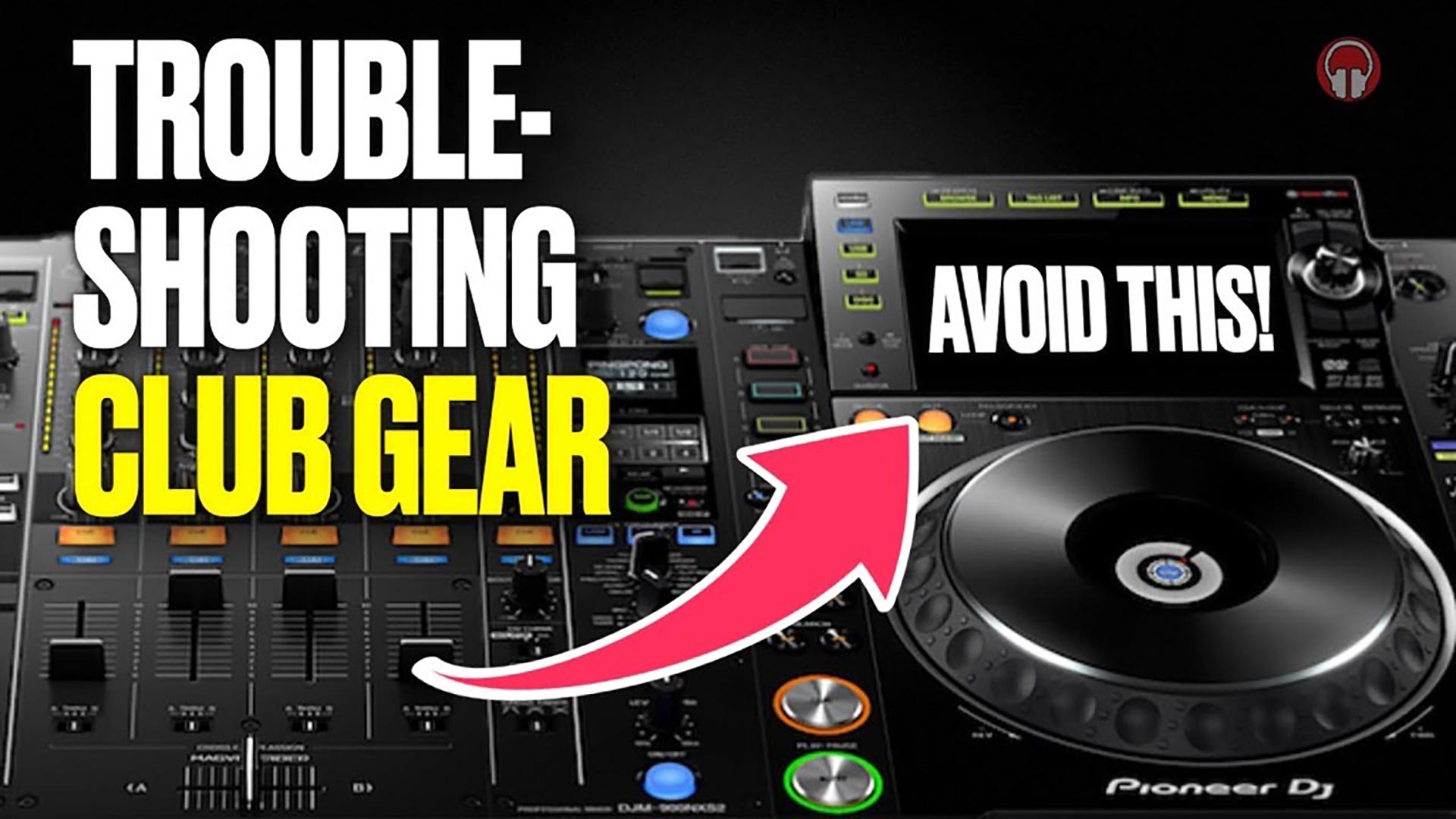
If you're a DJ and have a club show coming up and you're nervous about making the jump from controller to club gear and you want to be prepared for all eventualities in this video I'll give you 5 quick steps to trouble shoot the gear plus a mini checklist of little settings most people over look so if anything goes wrong you'll be able to handle it like a seasoned pro.
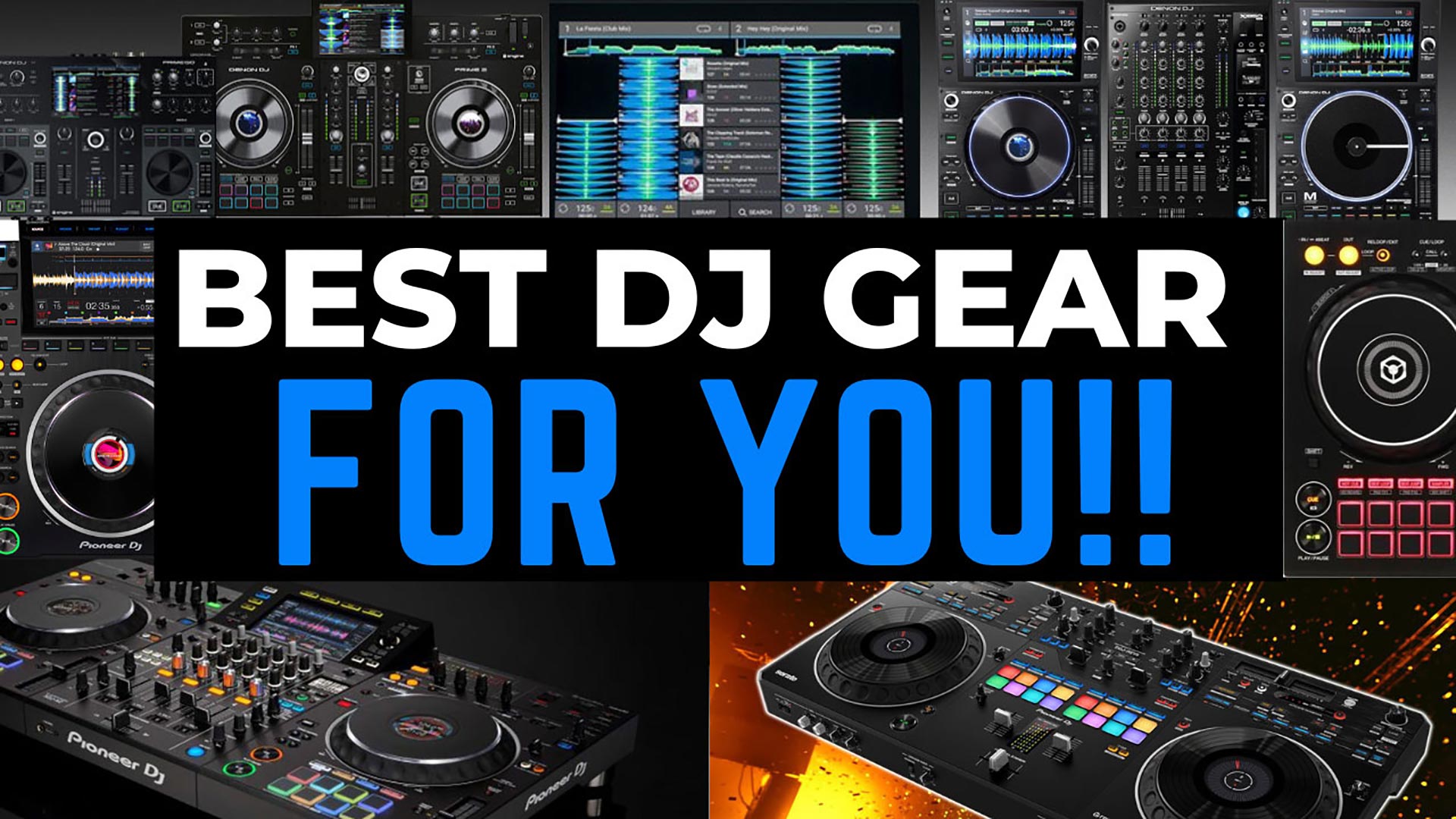
Choosing the most suitable DJ gear can feel like a daunting task, with the seemingly endless options from different brands with different softwares, it can become overwhelming. This buyer's guide has been written with the goal in mind to help narrow down this process for you and provide some direction, helping you make an informed decision on your next purchase. Regardless of your skill level, goals, or budget, there is something here for everyone.
Not yet part of the Club Ready Tribe? Sign up to become a student today and join the strongest DJ community in the world!!
DRUM ROLL... GET THE COMPLETE PACKAGE
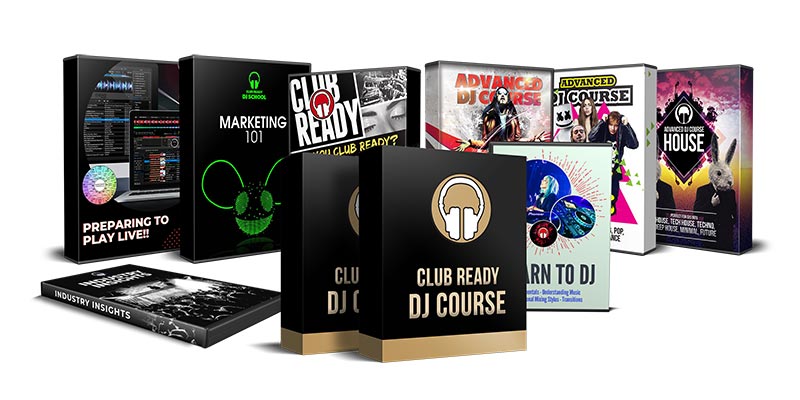
Buy all the courses and get over 60% off
For a limited time
CLUB READY DJ COURSE: Value: $295
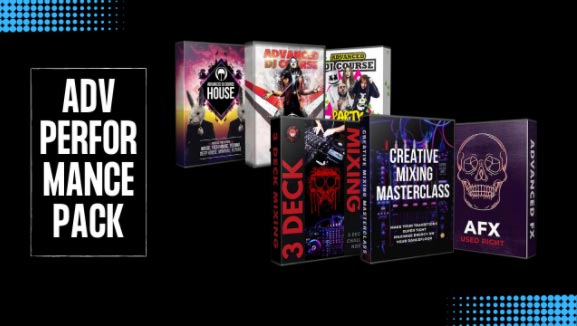
ADVANCED PERFORMANCE PACK: Value: $395
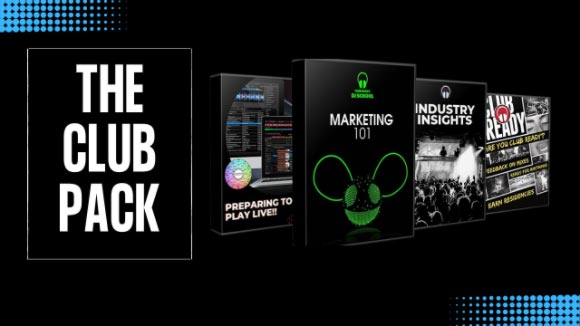
CLUB PACK: Value: $195
ONE TIME BONUS VIDEOS: Value: $75
BONUS CONTROLLER TO CLUB MINI COURSE: Value: $95
FEEDBACK ON MIXES: Value: $45
MEMBER ACCESS TO CLUB READY TRIBE
DIRECT ACCESS TO ME
TOTAL VALUE: $1295
TOTAL VALUE OF COMPLETE PACKAGE: $1295
>> SALE PRICE: $175 <<
YES! I WANT ALL THIS FOR ONLY $175And I want to be on time for the reduced price!

If you press the button and see the price went back to $1295 it means the promotion has ended and the program is back to its regular price.
This price is a ONE-TIME-ONLY payment and you get to keep the program FOR LIFE.

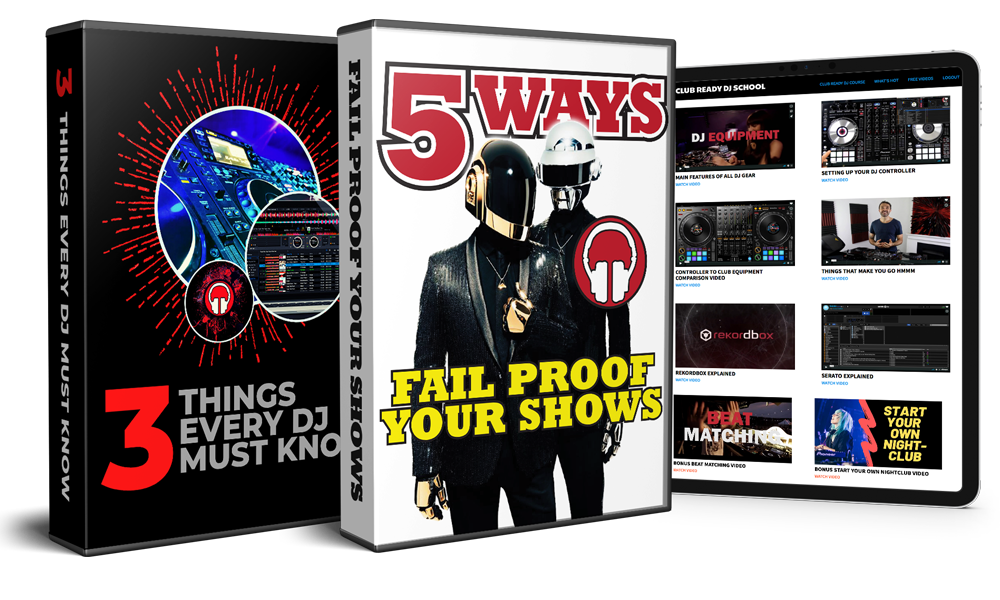
16 MINI DJ LESSONS FOR FREE!
Not sure where to start? In this mini series I answer many of the questions beginners have about learning to DJ.
CLUB READY DJ COURSE
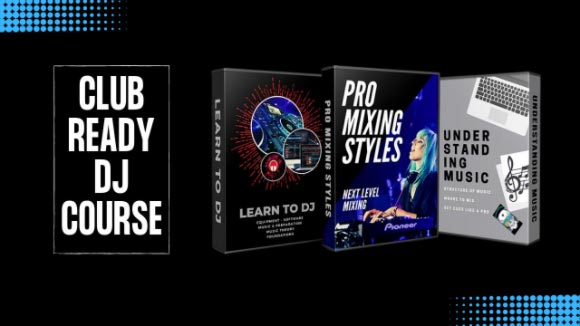 Usually
 ADVANCED PERFORMANCE PACK
 Usually
 CLUB PACK
 Usually
 THE COMPLETE PACKAGE
Get all of my courses for life!
TOTAL VALUE: